The New Gold Standard: Fine Jewelry Meets Everyday Styling Narratives
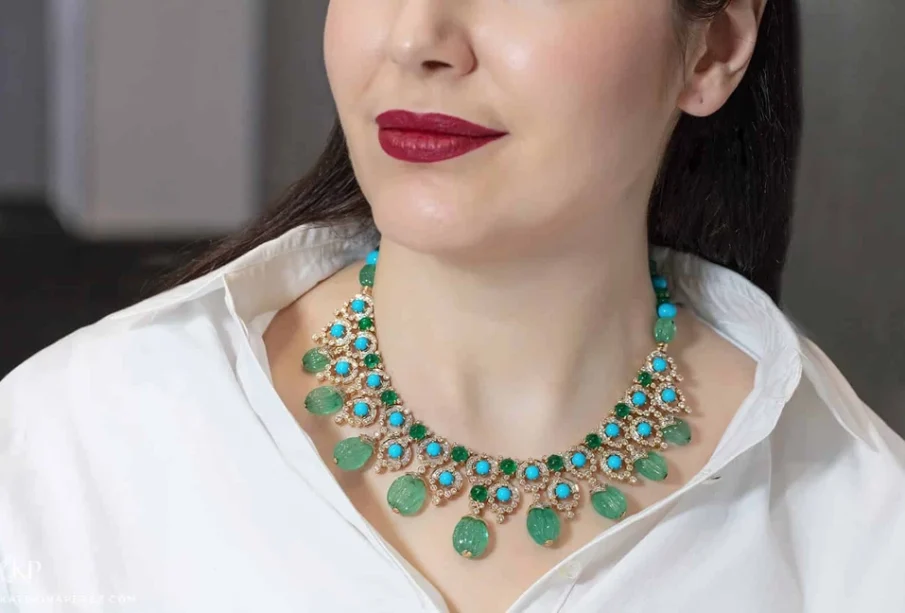
The traditional boundary between the jewelry box and the daily wardrobe has effectively dissolved. For decades, fine jewelry was synonymous with “the vault”—items reserved for galas, weddings, or milestone anniversaries. Today, a cultural shift in the luxury market has redefined these precious assets. Fine jewelry is no longer a static trophy; it is a dynamic component of a daily narrative. This evolution reflects a broader movement toward personal expression, where the intrinsic value of 18k gold, platinum, and natural gemstones is matched by their versatility.
When we speak of fine jewelry in an everyday context, we are discussing the intersection of durability and design. Unlike costume jewelry, which relies on base metals and coatings that inevitably tarnish, fine jewelry is built to withstand the rigors of daily life. This transition toward “daily luxury” allows individuals to curate a signature aesthetic that feels both grounded and elevated.
The Philosophy of Daily Luxury
The core of the everyday styling narrative lies in the concept of cost-per-wear. While a pair of diamond studs or a solid gold chain represents a significant upfront investment, their ability to be worn 365 days a year without degradation makes them more practical than disposable fashion. This philosophy encourages a move away from trend-chasing and toward the acquisition of pieces that resonate with personal history.
Modern styling narratives often focus on the “lived-in” look. This involves mixing high-end pieces with casual staples like denim, crisp white button-downs, or even high-quality loungewear. The contrast between a rugged leather jacket and a delicate tennis necklace creates a visual tension that is both sophisticated and approachable.
Building a Foundation: The Core Essentials
To master the art of everyday fine jewelry styling, one must first establish a foundation of versatile pieces. These items serve as the “white T-shirts” of the jewelry world—essential, reliable, and endlessly adaptable.
-
The Signature Signet Ring: Historically used as a seal of identity, the modern signet ring is a bold statement of self. Whether engraved with initials or left polished and plain, it adds a structured, architectural element to the hand.
-
Graduated Gold Hoops: A pair of solid gold hoops provides a frame for the face. Choosing a medium thickness ensures they are visible enough to make an impact but light enough for all-day comfort.
-
The Minimalist Pendant: A single stone or a geometric gold charm on a fine cable chain sits at the hollow of the throat, offering a subtle glimmer that works as well in a boardroom as it does at a brunch.
-
Stackable Bands: Moving away from the singular engagement or wedding band, the everyday narrative embraces the “stack.” Mixing textures—such as pavé diamonds with hammered gold—creates a rich, tactile experience.
The Art of the Stack: Necklines and Wrists
The most prominent trend in modern jewelry styling is layering. However, there is a fine line between a curated stack and a cluttered one. Achieving a “human-like” effortless look requires an understanding of proportion and balance.
Neckline Layering
When layering necklaces, the goal is to create a waterfall effect. Start with a short, 14-inch choker or a dainty chain. Add a 16-inch piece with a small focal point, and finish with an 18-inch or 20-inch pendant. Varying the weights of the chains—mixing a delicate link with a sturdier paperclip chain—prevents the pieces from tangling and adds visual depth.
The Wrist Landscape
The “arm party” has evolved into a more refined “wrist landscape.” Pairing a classic luxury watch with a flexible gold bolo bracelet or a rigid bangle creates a sense of intentionality. The key is to ensure the metals complement one another. While mixing metals was once considered a faux pas, the contemporary narrative encourages the blend of rose, yellow, and white gold to create a warmer, more inclusive palette.
Investing in Sustainability and Longevity
One of the primary drivers behind the shift toward fine jewelry for everyday wear is the rising consciousness surrounding sustainability. Consumers are increasingly rejecting the “fast fashion” cycle of jewelry. Fine jewelry is inherently more sustainable because it is circular; gold can be melted and refined indefinitely, and natural stones retain value over generations.
Choosing pieces that are “waterproof” and “sweat-proof” by virtue of their material composition (such as solid 14k or 18k gold) means the wearer does not have to remove their jewelry for exercise or showering. This “set it and forget it” mentality is a hallmark of the modern styling narrative, where the jewelry becomes a literal extension of the person.
Color Theory and Gemstone Integration
While gold and diamonds are the pillars of fine jewelry, the integration of colored gemstones adds a layer of storytelling. Sapphires, emeralds, and rubies are no longer relegated to formal cocktail rings.
-
Monochromatic Styling: Wearing stones that match the tone of your outfit (e.g., blue sapphires with a navy blazer) creates a sleek, elongated aesthetic.
-
The Pop of Color: A pair of emerald studs can act as a focal point against an all-neutral outfit, drawing attention to the face and adding a sense of vibrancy.
-
Organic Textures: Incorporating pearls into an everyday look has become increasingly popular. The modern way to wear pearls is away from the “prim and proper” strand, opting instead for baroque pearls with irregular shapes paired with heavy gold links.
The Transition from Office to Evening
The brilliance of fine jewelry lies in its transformative power. A styling narrative that begins at a desk can easily transition to a dinner setting with minimal adjustments.
For the workday, one might stick to a “uniform” of a silk blouse, tailored trousers, and a pair of diamond huggie earrings. To transition to an evening event, adding a bold “hero” piece—such as a chunky gold collar or a cocktail ring on the index finger—instantly shifts the energy of the outfit from professional to celebratory. This versatility ensures that the investment in fine jewelry pays dividends in both utility and confidence.
Maintenance for the Daily Wearer
To ensure that everyday fine jewelry maintains its luster, a basic care routine is essential. Despite their durability, gold and stones can accumulate oils from skin and lotions.
-
Gentle Cleaning: A solution of warm water and mild dish soap with a soft-bristled toothbrush is usually sufficient to restore the sparkle to diamonds and hard gemstones.
-
Safe Storage: When not in use, pieces should be stored in individual pouches to prevent scratching, especially since diamonds can easily scratch gold or softer stones like opals.
-
Professional Inspection: For pieces worn daily, such as engagement rings or bracelets with clasps, a bi-annual check-up with a jeweler ensures that prongs are secure and mechanisms are functioning correctly.
Conclusion
Fine jewelry is the ultimate medium for personal storytelling. By integrating these precious materials into the everyday wardrobe, we move away from the idea that beauty must be saved for a special occasion. Instead, the special occasion becomes the life we live every day. Whether it is the quiet confidence of a solid gold band or the brilliance of a diamond pendant catching the light during a morning commute, these pieces ground us in a narrative of quality, longevity, and self-worth.
Frequently Asked Questions
How do I choose between 14k and 18k gold for everyday wear?
14k gold contains a higher percentage of alloy metals, making it slightly harder and more resistant to scratching, which is ideal for active lifestyles or rings. 18k gold has a richer, more saturated yellow color and a higher gold content, making it better for those with sensitive skin or those who prefer a more luxurious weight and hue.
Can I wear my fine jewelry while sleeping?
It is generally recommended to remove jewelry before sleep. Fine chains can easily tangle or snap, and earring posts can cause irritation or become bent. Removing your pieces also prevents the buildup of skin cells and oils in the settings.
Is it acceptable to mix different types of metals in one look?
Yes, mixing metals is a key element of modern styling. To make it look intentional, try to find a “bridge” piece that features both metals, or distribute the different metals evenly across your hands and neck to create a cohesive balance.
What are the best gemstones for daily durability?
On the Mohs scale of mineral hardness, diamonds are the highest at 10, followed by sapphires and rubies at 9. These stones are excellent for daily wear. Softer stones like opals, pearls, and emeralds require more care as they are prone to chipping or reacting to chemicals.
How many pieces of jewelry are considered too many for a professional setting?
A good rule of thumb is the “rule of three” focal points. For example, a pair of earrings, a necklace, and a stack of rings. If you choose to wear a very bold statement piece, keep the surrounding accessories minimal to maintain a professional balance.
What is the difference between “fine jewelry” and “semi-fine jewelry”?
Fine jewelry is made entirely of precious metals (gold, platinum, silver) and natural gemstones. Semi-fine jewelry typically uses gold vermeil or gold-on-sterling-silver with lab-created or lower-grade natural stones. Fine jewelry is an investment that can be repaired and resized, whereas semi-fine jewelry has a more limited lifespan.
How do I style fine jewelry with a very casual outfit like a sweatshirt?
The contrast is what makes this look work. Pair a heavy gold chain or a tennis bracelet with an oversized hoodie to instantly elevate the look. It signals a “high-low” fashion sensibility that is very current in urban styling narratives.