
Beyond the Path: The Art of Adventure Travel and Deep Cultural Immersion
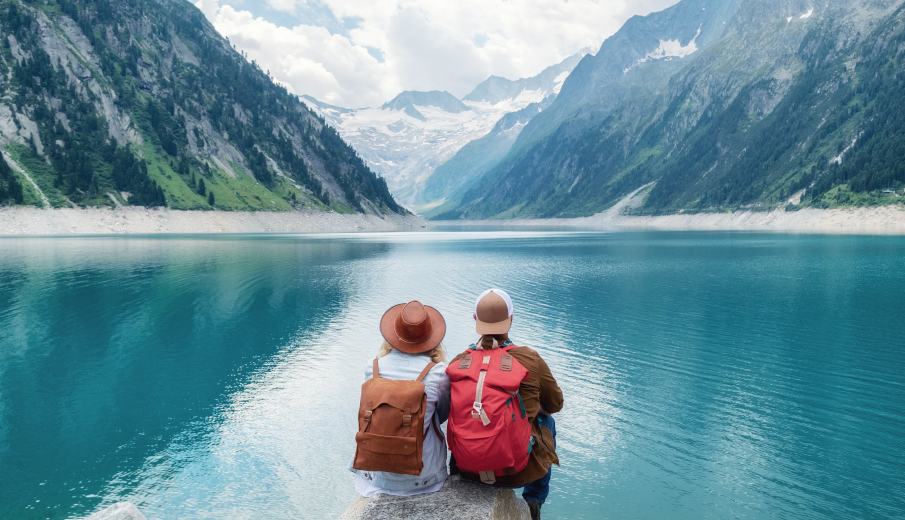
The modern traveler often finds themselves at a crossroads between two distinct styles of exploration: the adrenaline-fueled pursuit of physical challenges and the quiet, introspective journey of cultural discovery. However, the most profound travel experiences occur at the intersection of these two worlds. Adventure travel with cultural immersion is not merely about checking a destination off a list or summiting a peak; it is about the transformative power of engaging with a landscape through the eyes of the people who call it home.
Redefining the Modern Adventure
For decades, adventure travel was defined by “man versus nature” narratives—conquering mountains, navigating white-water rapids, or trekking through dense jungles. While the physical component remains vital, the definition has shifted toward “man within nature and culture.” This evolution recognizes that a landscape is inseparable from the human history embedded within it.
True adventure now involves a willingness to step outside one’s comfort zone, not just physically, but socially and intellectually. It requires the traveler to abandon the role of a passive observer and become an active participant in local life. This could mean learning traditional navigation techniques from Polynesian sailors, practicing ancient agricultural methods in the Andes, or understanding the spiritual significance of a pilgrimage route in Japan.
The Synergy of Physicality and Tradition
When adventure is paired with immersion, the physical activity serves as a bridge to understanding. For instance, trekking the Inca Trail to Machu Picchu is a strenuous physical feat, but the experience changes entirely when guided by descendants of the Quechua people. The steep climbs become lessons in indigenous botany, and the ruins are no longer just stone structures but sacred spaces with living legacies.
Similarly, kayaking through the fjords of Greenland provides a unique perspective on the effects of climate change. When a traveler paddles alongside Inuit hunters, the excursion transforms from a recreational outing into a masterclass in survival and environmental stewardship. The physical exertion creates a shared bond, breaking down the barriers that often exist between tourists and locals.
Strategies for Authentic Immersion
Achieving deep cultural immersion requires intentionality and a departure from standard tourism infrastructures. To truly engage with a culture while pursuing adventure, travelers should consider the following approaches:
-
Prioritize Community-Based Tourism: Seek out trekking outfits or lodges that are owned and operated by the local community. This ensures that the economic benefits of your visit stay within the region and that the stories shared are authentic and self-determined.
-
Embrace Slow Travel: Adventure is often rushed. By slowing down and spending a week in a single village rather than visiting five cities in ten days, you allow for spontaneous interactions. This is where the real “adventure” often happens—at a communal dinner or a local festival.
-
Learn the Linguistic Basics: Even a rudimentary grasp of the local language can open doors. In remote adventure hubs, English may be sparse. Making the effort to communicate in the local tongue demonstrates respect and a desire for genuine connection.
-
Participate in Daily Rituals: If your adventure takes you through pastoral lands, offer to help with the livestock. If you are staying in a coastal village, join the fishermen as they mend their nets. These mundane tasks provide the most significant insights into the rhythms of local life.
Navigating Ethics and Impact
Adventure travel in culturally sensitive areas carries a weight of responsibility. The “explorer” mindset can sometimes veer into exploitation if not checked by empathy and ethics. Cultural immersion should never be a performance for the traveler’s benefit. It is essential to respect local customs regarding photography, dress, and sacred sites.
Furthermore, the environmental impact of adventure travel must be mitigated. High-altitude trekking or remote diving often takes place in fragile ecosystems. Combining “Leave No Trace” principles with cultural respect creates a holistic approach to sustainable travel. When we protect the land, we protect the heritage of the people who depend on it.
The Psychological Rewards of Integrated Travel
The benefits of combining adventure with immersion extend far beyond the duration of the trip. Psychologically, this form of travel fosters resilience and cognitive flexibility. Navigating a foreign social landscape while physically challenging oneself forces the brain to adapt in ways that traditional vacations do not.
Travelers often return with a shifted perspective on their own lives. Seeing how different cultures define happiness, success, and community—often in the face of harsh environmental conditions—provides a powerful mirror for self-reflection. The “adventure” becomes an internal one, leading to a more nuanced understanding of global citizenship.
Case Study: The Steppes of Mongolia
Mongolia offers a premier example of how adventure and culture intertwine. A traveler might embark on a multi-day horse trek across the Altai Mountains. The physical challenge is immense, involving long hours in the saddle and camping in unpredictable weather. However, the heart of the journey lies in the nights spent in “gers” (traditional yurts) with nomadic families.
In this setting, the adventure is not just the ride; it is the invitation to drink fermented mare’s milk, the observation of eagle hunting traditions, and the understanding of a lifestyle that has remained largely unchanged for centuries. The vast, open landscape dictates the culture, and the culture, in turn, preserves the landscape. You cannot fully experience one without the other.
Preparing for the Unknown
Preparation for this type of travel is two-fold. Physical training is necessary to ensure the body can handle the demands of the environment, whether that involves high-altitude hiking, long-distance cycling, or technical climbing. However, “cultural conditioning” is equally important.
Researching the history, social norms, and current challenges of a region prevents the traveler from arriving with a set of preconceived notions. It allows for a more empathetic engagement. For example, understanding the history of a region’s land rights can change how one views a trek through a national park that was once ancestral territory.
Frequently Asked Questions
What is the difference between cultural tourism and cultural immersion?
Cultural tourism often involves observing traditions from a distance, such as watching a scheduled dance performance or visiting a museum. Cultural immersion involves active participation and integration into the daily life of a community, often through shared work, meals, or extended stays in local homes.
How can I find authentic adventure experiences without using large tour operators?
Look for platforms that connect travelers directly with local guides or community-led cooperatives. Researching regional non-profits or conservation groups can also lead to adventure opportunities that are rooted in local knowledge rather than commercialized itineraries.
Is it safe to pursue adventure travel in remote areas with limited infrastructure?
Safety is a relative term that depends on preparation and local knowledge. While remote areas lack modern hospitals or paved roads, they often have robust informal support systems. Hiring a local guide is the best way to manage risk, as they understand the terrain and weather patterns better than any external source.
What should I pack for a trip that involves both rugged activity and village visits?
Versatility is key. You need technical gear for the adventure (moisture-wicking fabrics, sturdy boots, weather protection) but also modest, respectful clothing for cultural settings. In many cultures, showing too much skin or wearing dirty gear in a home is considered disrespectful. A small gift from your home country can also be a thoughtful gesture for hosts.
Does cultural immersion require a long period of time?
While longer stays are ideal, immersion is more about the quality of interaction than the quantity of days. Even a three-day trek can be immersive if you are engaged with your guides, staying in local guesthouses, and remaining open to the customs of the region.
How do I handle a “culture shock” moment during a physically demanding trip?
Physical exhaustion can lower your emotional defenses, making culture shock feel more intense. The best approach is to maintain a sense of curiosity rather than judgment. Take a moment to breathe, observe without reacting, and remember that the discomfort is often where the most significant personal growth occurs.
How can I ensure my adventure travel supports local economies?
Direct your spending toward locally-owned businesses. Choose family-run homestays over international hotel chains, buy supplies from local markets rather than bringing everything from home, and pay fair wages to local porters and guides. Transparency in pricing is a good sign that the community is being treated fairly.