
The New Frontier of Luxury: Cruise Travel to Exclusive and Remote Destinations
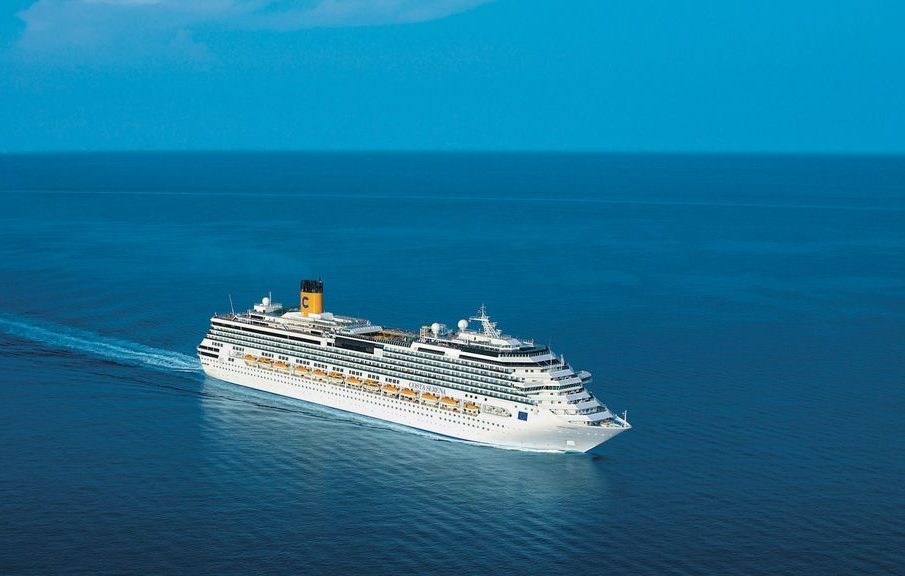
The concept of cruising has undergone a radical transformation over the last decade. While the industry was once defined by massive vessels navigating well-trodden paths in the Caribbean or the Mediterranean, a new era of maritime exploration has emerged. This shift focuses on exclusivity, intimacy, and access to corners of the globe that remain unreachable by traditional land-based travel. Cruise travel with exclusive destinations combines the sophisticated comfort of a high-end resort with the raw thrill of discovery, offering travelers a chance to witness pristine landscapes and rare cultures without sacrificing luxury.
The Rise of Expedition and Boutique Cruising
The demand for exclusivity has birthed the expedition cruise segment. These are not the floating cities of the past; rather, they are smaller, technologically advanced vessels designed to navigate narrow fjords, shallow equatorial inlets, and icy polar waters. Because these ships carry fewer passengers—often ranging from 100 to 300 guests—they are granted access to sensitive ecosystems and small island communities that simply cannot accommodate larger crowds.
Boutique cruising operates on a similar principle of scarcity. By limiting the number of berths, cruise lines can offer highly personalized service and curated onshore experiences. The luxury here is not just found in the thread count of the linens or the quality of the caviar, but in the silence of a remote bay and the absence of other tourists. It is about the privilege of being one of the few humans to set foot on a particular shore in a given year.
Unreachable Landscapes and Hidden Harbors
One of the primary draws of exclusive destination cruising is the ability to bypass the logistical nightmares of remote overland travel. Many of the worlds most breathtaking sites lack airports, paved roads, or reliable hotels. A luxury cruise ship serves as a mobile basecamp that brings the infrastructure to the destination.
The Pristine Wilderness of Antarctica and the Arctic
The polar regions represent the ultimate in exclusive travel. In Antarctica, expedition ships equipped with reinforced hulls push through pack ice to reach spots like the Weddell Sea or the Antarctic Peninsula. Here, travelers can witness massive penguin colonies and breaching whales from the vantage point of a zodiac boat. The Arctic offers a different but equally compelling allure, providing opportunities to visit remote Inuit settlements in Greenland or search for polar bears in the Svalbard archipelago. These destinations remain exclusive due to their extreme environments and the strict regulations governing the number of visitors allowed ashore.
The Isolated Islands of the South Pacific
While many think of the South Pacific in terms of busy resorts in Fiji or Tahiti, exclusive cruises venture much further afield. Vessels sail to the Marquesas Islands, the Pitcairn Islands, or the remote atolls of the Tuamotu Archipelago. These locations are so isolated that they often receive supplies only once a month by ship. Travelers arriving by sea can experience ancient Polynesian traditions and dive in coral reefs that have remained virtually untouched by commercial fishing or mass tourism.
Navigating the Kimberleys of Australia
The Kimberley region in Western Australia is one of the oldest and most rugged landscapes on Earth. With towering red sandstone cliffs, horizontal waterfalls, and ancient Aboriginal rock art, it is a destination best explored from the water. Because the tides in the Kimberley are some of the most dramatic in the world, specialized expedition ships are necessary to navigate the intricate river systems and hidden gorges that are inaccessible by road.
The Luxury of Curated Onshore Experiences
Exclusivity extends beyond the coordinates on a map; it encompasses the depth of the experiences provided at each stop. Standard shore excursions are replaced by private, expert-led adventures. These might include:
-
Private Museum Access: Many boutique cruises arrange for after-hours tours of world-renowned galleries or private viewings of historical archives.
-
Helicopter Reconnaissance: Some expedition ships carry their own helicopters, allowing guests to soar over inland glaciers or volcanic craters that are miles from the coast.
-
Culinary Foraging with Chefs: In regions like the Norwegian fjords or the Japanese coastline, guests may join the ships executive chef to source local ingredients directly from fishermen and farmers, followed by a private cooking masterclass.
-
Scientific Collaboration: Many high-end expedition cruises host scientists-in-residence. Guests can participate in citizen science projects, such as tracking whale migration patterns or measuring water salinity, adding a layer of purpose to their leisure travel.
Sustainability and Responsible Exploration
The privilege of visiting exclusive destinations comes with a profound responsibility toward conservation. Leading cruise lines in this sector are at the forefront of maritime technology. This includes the use of hybrid electric engines to reduce carbon emissions and advanced water filtration systems that ensure no waste is discharged into pristine environments.
Dynamic positioning systems are another critical innovation. These allow a ship to remain stationary using thrusters and GPS, eliminating the need to drop an anchor that could damage fragile coral reefs or seagrass beds. By prioritizing environmental stewardship, these cruise lines ensure that the very destinations that make their itineraries exclusive remain preserved for future generations.
The Psychological Impact of Secluded Travel
There is a unique psychological clarity that comes from being at sea, far removed from the digital noise of modern life. Exclusive cruises often travel through “blackout zones” where satellite connection is limited, encouraging guests to disconnect and engage with their surroundings. The vastness of the ocean, paired with the awe-inspiring sights of remote landscapes, fosters a sense of humility and perspective. This type of travel is less about social status and more about the internal enrichment that comes from witnessing the raw beauty of the natural world.
Frequently Asked Questions
What should I look for in a ship when booking an exclusive destination cruise?
You should prioritize ships with a high crew-to-guest ratio and those that feature specialized equipment like zodiacs, kayaks, or submersibles. Additionally, check if the ship has a reinforced hull if you are traveling to polar regions. The presence of an onboard expedition team consisting of biologists, historians, and naturalists is also a hallmark of a high-quality exclusive cruise.
Are these cruises suitable for solo travelers?
Yes, many luxury and boutique cruise lines have started to cater specifically to solo travelers by offering dedicated single cabins or waiving the single supplement during certain seasons. The intimate nature of smaller ships also makes it easier to socialize with fellow passengers who share similar interests in exploration and culture.
How far in advance should I book an exclusive destination cruise?
Because these ships have limited capacity and the destinations are highly sought after, it is recommended to book at least 12 to 18 months in advance. This is particularly true for peak seasons in Antarctica or the Arctic, where the window for travel is very narrow.
Is travel insurance different for remote destination cruising?
Standard travel insurance may not be sufficient. When traveling to remote areas like the deep Amazon or the Southern Ocean, it is crucial to have a policy that includes high-limit emergency medical evacuation. Some cruise lines require proof of this specific coverage before you are allowed to board.
What kind of physical fitness level is required for expedition cruises?
While the onboard experience is luxurious, the onshore activities can be physically demanding. Getting in and out of zodiac boats requires a certain level of agility, and many excursions involve hiking over uneven or slippery terrain. However, most cruises offer varying levels of activity so that guests can choose the intensity that suits them best.
Will there be onboard entertainment similar to larger cruise ships?
You will not find Broadway-style shows or casinos on most boutique and expedition ships. Instead, the entertainment is focused on the destination. Expect evening lectures from experts, photography workshops, and social gatherings where guests share their discoveries from the day. The focus is on intellectual stimulation and camaraderie.
How are medical emergencies handled in such remote locations?
Most expedition ships are equipped with an advanced medical center and at least one full-time doctor and nurse. They are prepared to handle stabilized care and minor surgeries. For major emergencies, the ship’s communication system is used to coordinate a medevac, which is why specialized insurance is so important.