
Color Blocking Strategies in Contemporary Interiors
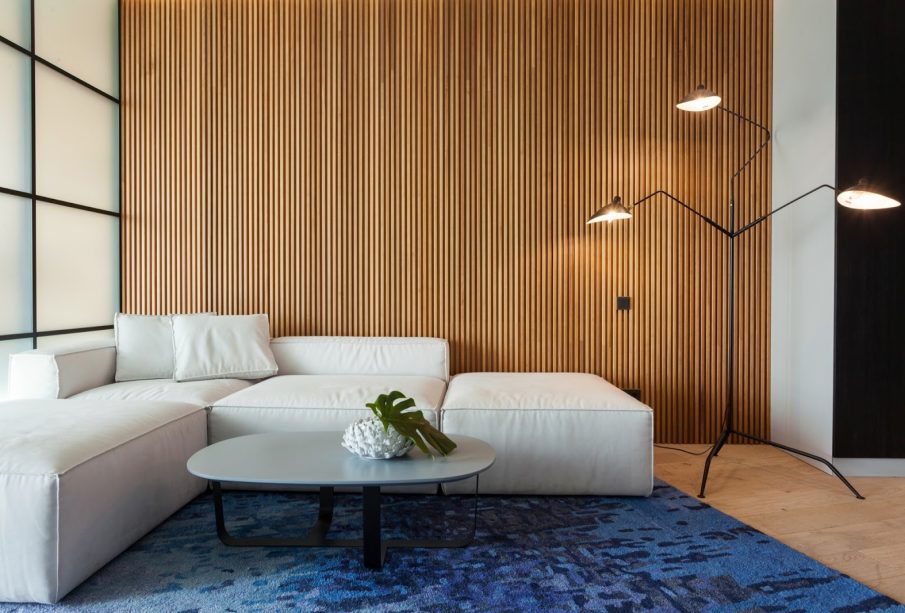
The concept of color blocking, once a revolutionary trend in the mid-century fashion world, has firmly established itself as a cornerstone of contemporary interior design. At its core, color blocking involves the pairing of two or more solid colors—often contrasting or bold hues—to create distinct, geometric segments within a space. This technique moves away from traditional patterns and textures, relying instead on the raw power of color to define architectural features, influence mood, and organize the visual flow of a home.
In 2026, color blocking has evolved beyond the high-contrast neon palettes of the past. Modern strategies favor a more sophisticated approach, blending muted earth tones with vibrant accents or using monochromatic layers to create depth. When executed correctly, color blocking serves as a functional tool that can alter the perceived proportions of a room, turning a standard living space into a curated work of art.
The Foundation of Color Theory in Blocking
To master color blocking, one must first understand the relationship between colors on the wheel. Successful contemporary interiors typically utilize one of three primary color schemes to ensure the blocking feels intentional rather than chaotic.
-
Complementary Schemes: This involves using colors directly opposite each other on the color wheel, such as terracotta and deep teal. This creates the highest level of contrast and energy, making it ideal for creative spaces or dining rooms.
-
Analogous Schemes: Choosing colors that sit next to each other, such as forest green, moss, and lime. This results in a more harmonious and serene atmosphere, perfect for bedrooms or reading nooks.
-
Monochromatic Schemes: This strategy uses different shades, tints, and tones of a single color. By blocking a pale powder blue against a deep navy, designers can create sophisticated visual interest without breaking the room’s tonal unity.
Understanding these foundations allows homeowners to move past the fear of “clashing” and toward a confident application of bold geometry.
Architectural Highlighting and Zoning
One of the most practical applications of color blocking in contemporary homes is the ability to define functional zones without the need for physical barriers. As open-concept living remains a dominant architectural trend, color blocking provides the visual cues necessary to separate a home office from a living area or a breakfast nook from a kitchen.
Defining the Home Office
In a multipurpose room, painting a solid rectangle of a stimulating color—such as ochre or sage—directly behind a desk can create a “room within a room.” This visual boundary helps the mind transition into work mode, effectively cordoning off the workspace from the rest of the domestic environment.
Accentuating Architectural Features
Color blocking is a powerful tool for drawing attention to unique structural elements. If a home features an arched doorway, built-in shelving, or a recessed fireplace, applying a contrasting color to these areas can make them stand out as focal points. Conversely, color blocking can be used to hide unsightly elements, such as radiators or uneven wall transitions, by incorporating them into a larger block of dark color.
Geometric Precision and Application Techniques
The success of color blocking relies heavily on the “edges.” Contemporary interiors demand clean, crisp lines that suggest professional intentionality. This is often achieved through the use of high-quality painter’s tape and a focus on geometric shapes like squares, rectangles, and circles.
-
The Half-Wall Block: Often referred to as a “painted wainscoting,” this involves painting the bottom half of a wall in a darker or more vibrant shade while keeping the top half neutral. This grounds the room and provides a perfect backdrop for furniture.
-
The Ceiling Wrap: A modern favorite, this technique involves extending a wall color onto the ceiling. This “canopy effect” can make a room feel cozy and intimate, particularly in bedrooms with high ceilings.
-
Angular Intersections: For a more avant-garde look, designers are using diagonal lines to cut across corners or doors. This breaks the traditional verticality of a room and adds a sense of dynamic movement.
Color Blocking with Furniture and Decor
Color blocking is not limited to paint and walls. In contemporary interiors, the strategy extends to the selection of furniture and the layering of textiles. This holistic approach ensures that the room feels cohesive.
A designer might pair a cobalt blue velvet sofa with a large, solid mustard-colored rug. By keeping the surfaces solid and the shapes distinct, the furniture itself becomes the “blocks” of color. To avoid visual clutter, it is essential to limit the number of colors used in a single view. The “60-30-10” rule is a helpful guide: 60 percent of the space in a dominant color, 30 percent in a secondary color, and 10 percent as a bold accent.
Impact on Mood and Psychology
Color blocking allows for a strategic use of color psychology. Because the colors are applied in large, solid masses, their psychological impact is amplified.
-
Blue and Green Blocks: Often used in bathrooms and bedrooms to promote relaxation, lowered heart rates, and a connection to the natural world.
-
Yellow and Orange Blocks: Common in kitchens and entryways to evoke feelings of warmth, hospitality, and energy.
-
Dark Grey and Black Blocks: These are increasingly used in modern living rooms to create a “theatrical” or “cinematic” feel, particularly behind television sets or art galleries.
By carefully selecting where these blocks are placed, a homeowner can tailor the “vibe” of each room to its specific function.
The Role of Lighting in Color Blocking
The way light interacts with a color block can significantly change its appearance throughout the day. In contemporary design, lighting is treated as an active participant in the color blocking strategy.
Direct sunlight can wash out lighter blocks, while artificial LED lighting can make cool colors appear more clinical. To combat this, many designers recommend testing paint swatches in various lighting conditions before committing to a large block. Matte finishes are generally preferred for color blocking because they prevent glare from distorting the solid nature of the color, maintaining the integrity of the geometric shape regardless of the light source.
Frequently Asked Questions
Can color blocking work in small apartments?
Yes, color blocking is actually an excellent tool for small spaces. By using a light-colored block on the upper half of the walls and a darker color below, you can draw the eye upward, creating the illusion of higher ceilings and more airiness.
Is color blocking considered a temporary trend?
While specific color combinations go in and out of style, the technique of using solid color to define space is a foundational design principle. It has been used in various forms for decades and remains a staple of modern minimalism and maximalism alike.
Should I use color blocking on every wall in a room?
Usually, it is most effective to choose one or two “feature” areas for color blocking. Overdoing it on every wall can make a space feel claustrophobic or visually overwhelming. Focus on a main wall or a specific architectural feature for the best results.
How do I choose the right height for a horizontal color block?
A common standard is to align the horizontal line with a natural architectural break, such as the top of a door frame, the height of a chair rail, or the middle of a window. Generally, placing the line at one-third or two-thirds of the wall height is more visually pleasing than exactly halfway.
Does color blocking require a specific type of paint?
While any wall paint will work, matte or eggshell finishes are highly recommended. These finishes absorb light and showcase the true pigment of the color, which is essential for achieving that solid, “blocked” look without distracting reflections.
Can I use color blocking if I have a lot of patterned furniture?
It is more difficult. Color blocking relies on clean lines and solid surfaces. If your furniture has busy patterns, the color blocks may compete for attention, leading to a cluttered feel. For the best impact, pair color-blocked walls with solid-colored or textured (rather than patterned) furniture.
What is the best way to transition between colors at a corner?
In contemporary interiors, the most common approach is to end the color block exactly at the corner crease. However, “wrapping” the color around the corner by about 12 to 18 inches is a popular modern strategy that softens the room’s edges and makes the color feel more integrated.


